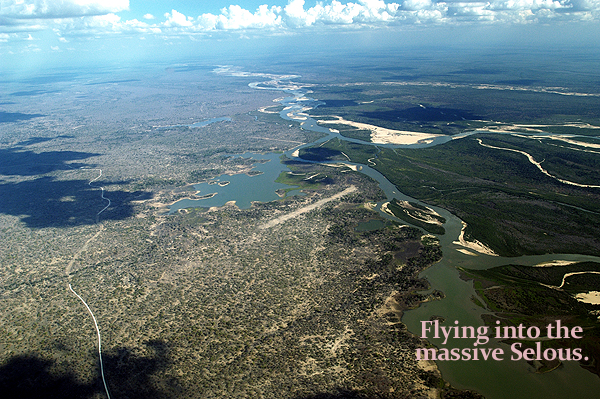
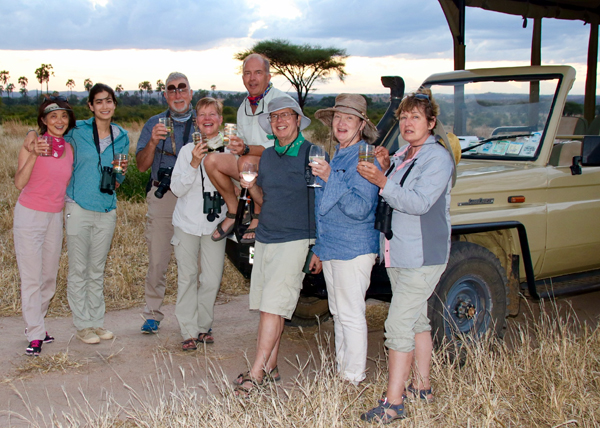
 OnSafari: Going into the bush, again! A wonderful small group of people, and joined for part of the time by the most important person in the world, my wife!
We’re truly heading off the beaten track to the sand rivers of central Tanzania and Zambia. How will this differ from a more traditional safari in East or southern Africa?
First of all we’re likely to encounter fewer animals overall, but more kinds (species) of animals. This is because we’ll be far removed from the popular and heavily used game parks that abut newly developing areas in northern Tanzania and Kenya, and the eastern “Transvaal” of South Africa.
That human/wildlife conflict that flares so often on the periphery of the great, traditional parks buffers wildness from seeping into the human populated areas. When wild animals and their habitat is more seriously confined, they tend to accelerate their own survival behaviors and this increases the ecosystem tensions.
What this has meant in places like the Serengeti or the Kruger area is that herbivore populations are exploding. In Kruger they cull. In East Africa they do nothing, but in both cases it tends to put at serious disadvantage many smaller animals and animals with fewer numbers to begin with.
I think several species of antelope provide the example. Both sable, roan and oryx were once seen regularly in the big parks, but they are no longer. This in part is because the exploding populations of the more common antelope like wildebeest and partner species like zebra have simply squeezed out these more specialized antelope. I hope to see some of these on our safari, now.
Now don’t jump to too many conclusions! The Serengeti is still my favorite place in the world. It is normally these big, popular parks that a first safari should choose to visit.
But many factors should be considered in deciding where to go, and where we’re going is little seen, very very wild and with great biodiversity. Perhaps most importantly of all, it is a cohesive group of friends with similar hopes and anticipations.
We start in The Selous which vies with Etosha Pan of Namibia to be the largest wildlife park on earth, exceeding 20,000 sq. miles. This is the same size as Massachusetts, Connecticut, Rhode Island and Delaware combined!
The Selous is mostly a giant wetlands, defined by great rivers which become sand rivers as they stretch away from the coast. What is particularly urgent about visiting The Selous is that one of the world’s largest hydroelectric projects is being built here. The great Rufiji River will be dammed up. No one is sure how this will effect this massive wilderness.
We then go into the center of Tanzania to the great Ruaha National Park, another massive wilderness with the lowest density of tourists in any of Tanzania’s major big game parks.
We’ll then have an exciting stint in Zanzibar before going to Zambia and visiting it’s most important wilderness, the great South Luangwa.
Stay tuned! I’ll blog as often as wifi allows.
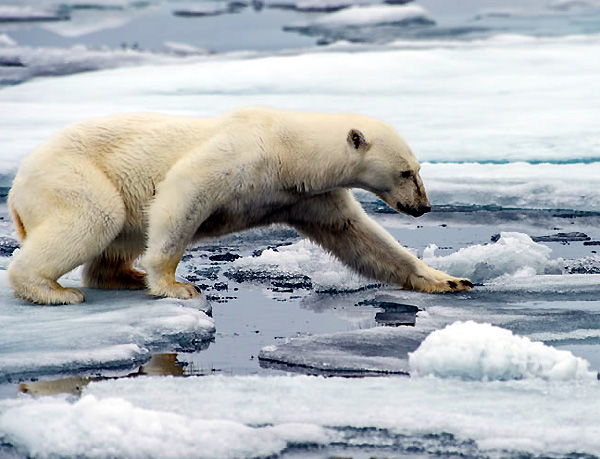 Why are professionals from zoo directors to scientists – much less you! – less interested in the lion decline than the elephant decline? Why are you donating to Save The Elephants but not Save the Lions?
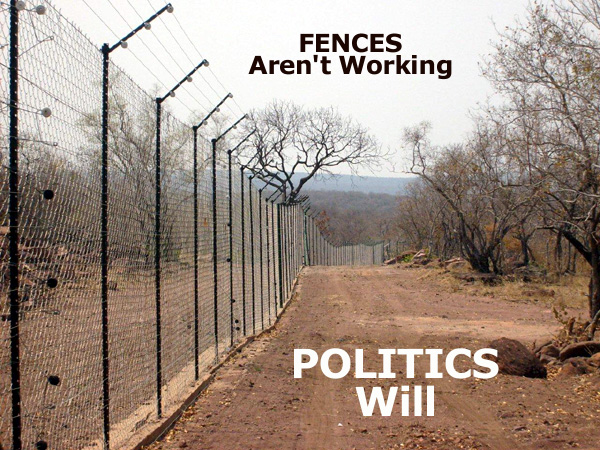 In this upended world even long-standing beliefs about extinction are being contested by a public ready to do anything so long as it’s different.
 African governments thumb their noses at tourists and tourists flounder in the irony of their wealth. What a story!
 I will be in Nairobi for its next election on August 8. According to the popular global business group,
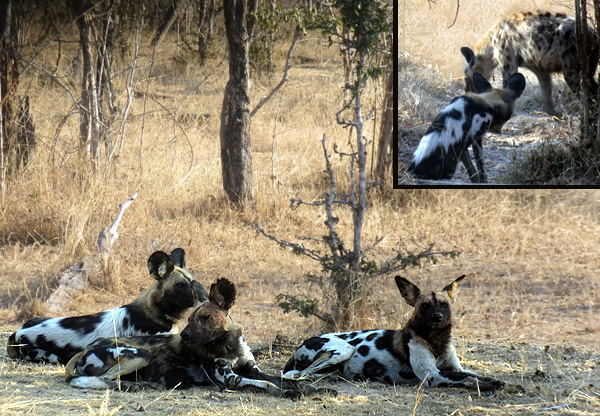
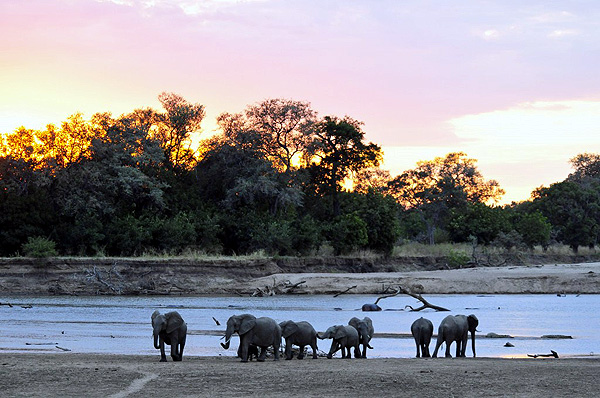
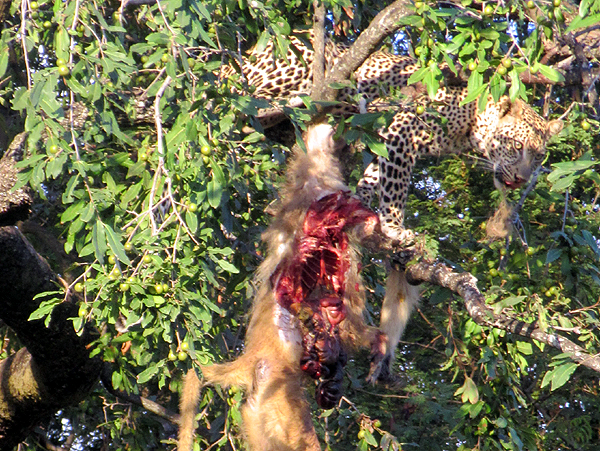
  Yesterday I returned from 50 days on safari, fifty days of not talking politics, pointing out mistakes, lies and misrepresentations that we’re drowning in. All I wrote about was the leopard in the tree and the wild dog nipping the hyaena and the massive Luangwa flowing into the sunset. I felt guilty. It wasn’t easy.
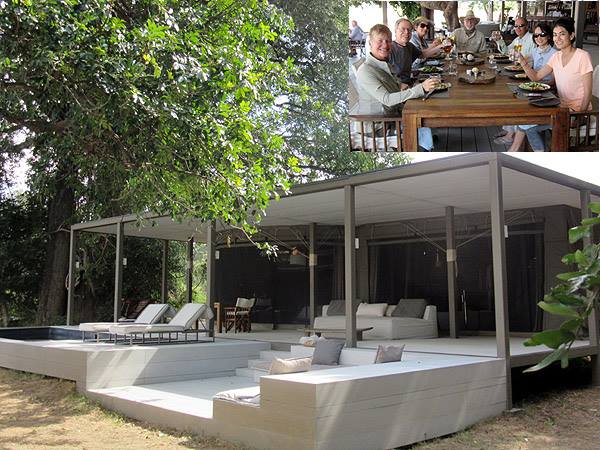 The middle of sub-Saharan Africa, about a million square miles, includes the “sand river” big game wildlife parks. We’ve just finished 16 days exploring these less visited areas, and we had a ball and some incredible successes game viewing.
 Finishing our first extraordinary dinner on the banks of the Luangwa River, the best of South African wines were still pouring into our glasses. Hurricane lamps lit our elegantly set table and the southern cross with a million other twinkling stars bounced off the river like fireflies.
 The rains north of the Zambezi were good and normal as they had been the year before. So the wild highveld of the valley was saved from the devastating drought just south. There was nothing unusual that the great Luangwa was slowly drying up, pulling in from its sometimes third-mile wide caked sand banks. This was normal. It was the solstice. Winter was here and all was still well.
 Well, we aren’t where we’re supposed to be! We’re supposed to be in Zambia, heading to the great South Luangwa National Park shown in the picture. But our flight from Nairobi was canceled. And the next flight was canceled, and it makes me worry that something bad is happening in Zimbabwe, where both flights were supposed to make a stop, first.
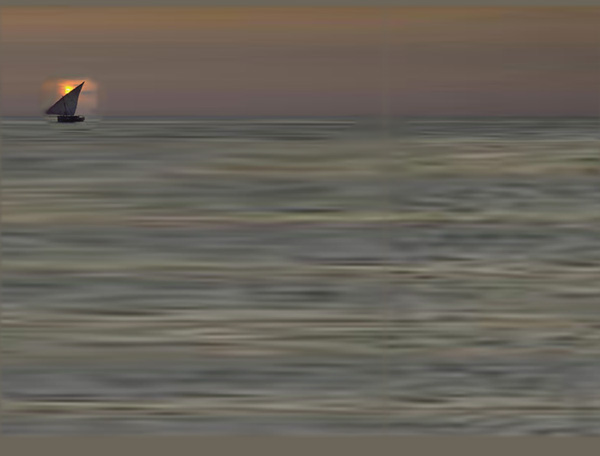 I wish everyone I know could have been with us in Zanzibar. The troubles in the world are like flotsam in a still lake: just when you think you see an object it dissolves into murk. In Zanzibar we experienced one small puddle of clarity: the hatred between the Shia and Suni.
 We just ended six days in Tanzania’s remote central game parks of The Selous and Ruaha. Zanzibar is not exactly Manhattan, but flying into here from Ruaha was like returning to civilization from a Jurassic Park time warp.
 The Mwagusi and its little tributaries were dry, and this was early. The drought of last season, which had followed a devastating El Nino flooding, had broken but weakly. A major moisture deficit crinkled most of the bush leaves and had turned everything brown early. Only along the Great Ruaha itself, or in slight depressions in the veld, did the sandpaper trees and acacia flitter lively green leaves in the warm breezes.
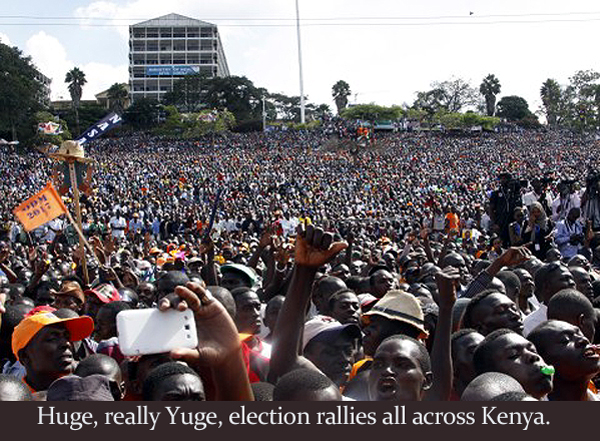 I’m in Kenya and you can’t walk out your door without feeling the buzz! Keep your eyes squarely here: It all happens on August 8. A national election that increasingly looks like it will be