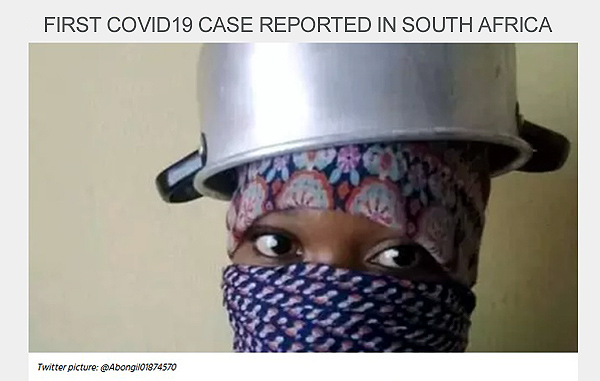
 With South Africa’s first confirmed case of Covid19, some experts say that the virus is unlikely to spread much in Africa.
Here’s why.
With South Africa’s first confirmed case of Covid19, some experts say that the virus is unlikely to spread much in Africa.
Here’s why.
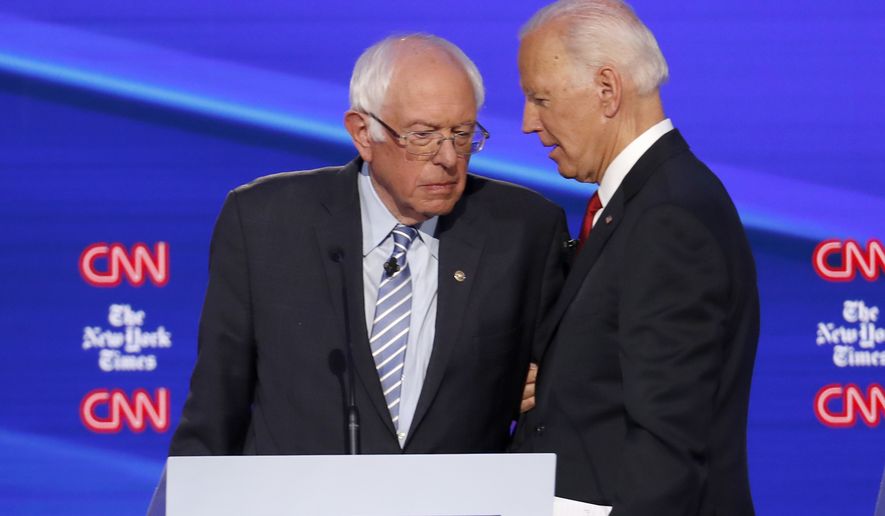 It goes without saying that a lot of the world and especially Africa monitor America for political and social trends.
South Africa especially is curious about Biden, because that was where Biden claimed untruthfully to have been arrested years ago. But all of Africa wonders what’s happening as a result of last night. Here’s my take.
 Travelers are canceling everything.
If you’re an American scheduled to travel soon, here’s what EWT, other travel brokers and local African vendors, are considering in response to the coronavirus.
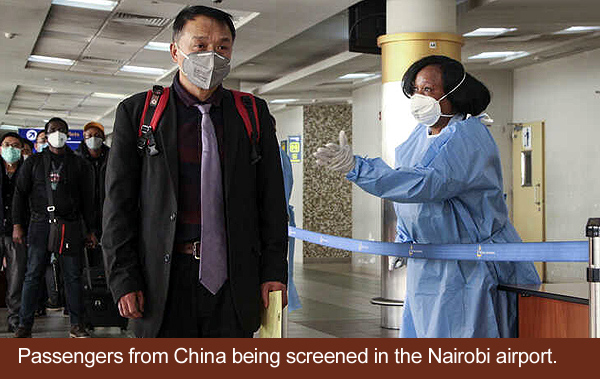 The news about coronavirus is overwhelming, dominating all the major media and social media in sub-Saharan Africa. Several important points, especially for travelers planning to visit Africa, soon.
Africa so far presents a “puzzle” to health officials wondering why there isn’t a greater outbreak there, because travel exchange in Africa with China is among the highest in the world, and as a continent Africa has the least developed public health systems in the world. (Notable exception is the country of South Africa.)
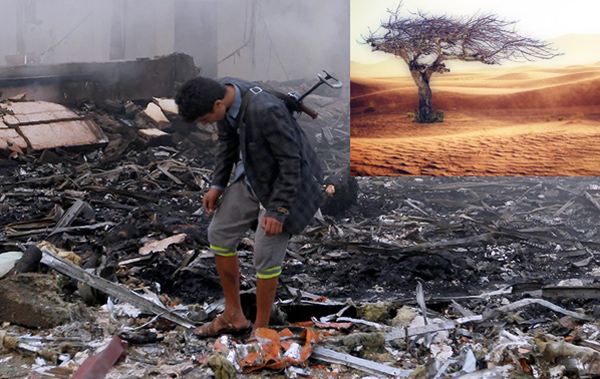 The worst locust outbreak ever seen in Africa, the most insidious virus ever known to man, the most flooding and worst earthquakes in history… then, bloodshed.
All Africa journalist Jerry Chifamba has just completed a series of in-depth reports on how accelerating conflict in Africa is directly linked to climate change. No surprise, or is it just that we don’t want to be surprised, anymore.
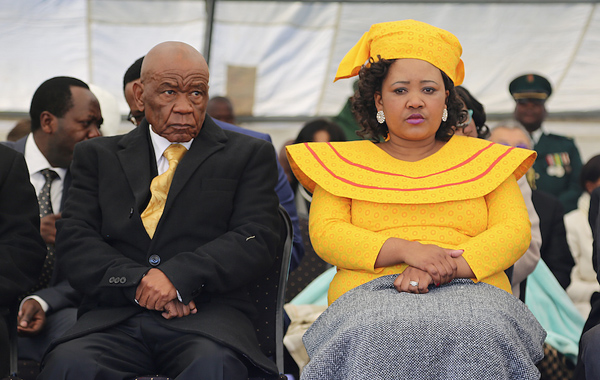 In a little pinpoint of country high atop rugged mountains, isolated from most of the world socially and politically, a prime minister charged with murdering his wife invokes a Trumpism to ensure his freedom.
And the Trumpism isn’t even that; it’s a dead-out Americanism raised from hibernation by America’s radical right: i.e., the head of state can’t be prosecuted.
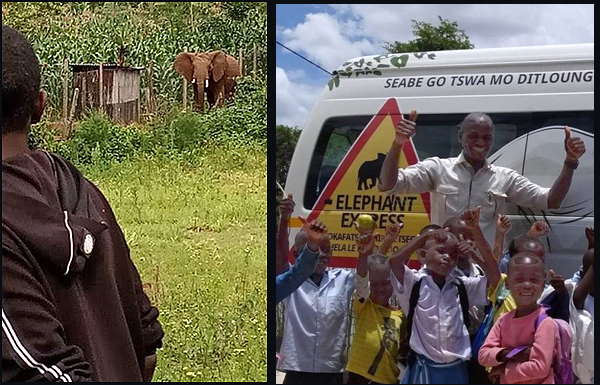 Suspend your belief. I found an African charity that doesn’t boil my blood.
The human/wild animal conflict in Africa is almost as politically volatile as climate change throughout much of – especially rural Africa. Elephants in particular are the problem and a tour company has done something admirable about it.
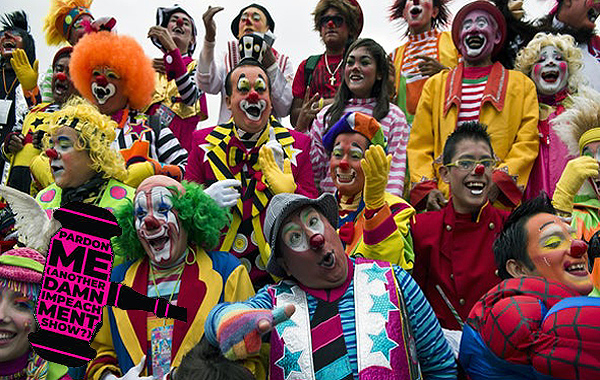 America, your weak, lilly-white specious religious and facetious democracy with its high faluting quasi morality is in complete meltdown. Wide-eyed Africans watch in disbelief. The “trust” and “transparency” and “morality” of the self-styled always-correct America that kept them at bay are evaporating into thin air like the last drops of water in a burning world.
I can find only one – not two – pardons given by any African chief executive in the last century that comes a mile close to what Trump did yesterday. But guess what. They’ll be rolling off the equatorial alabasters, now.
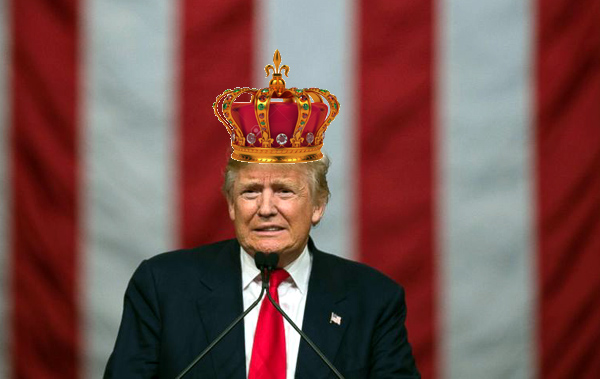 Today is America’s Presidents’ Day Holiday. It celebrates the office as much as the individuals who held it. It celebrates the closest thing a democracy can be to remaining a monarchy.
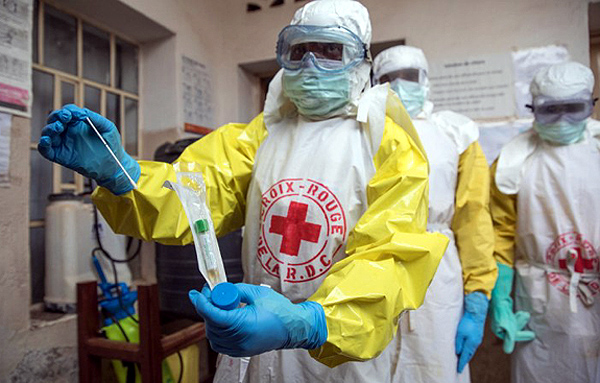 Everyone is focused on the Covid19 pandemic, but what about the unprecedented continuing outbreak of Ebola in central Africa and Lassa in Nigeria, and why all this now?
The ebola outbreak began in August, 2018, and of 3,340 confirmed cases 2,249 have died, a two-thirds mortality rate. And it continues. In Nigeria the chronic Lassa virus has mushroomed with over 600 cases and 170 deaths annually since 2018.
What’s going on?
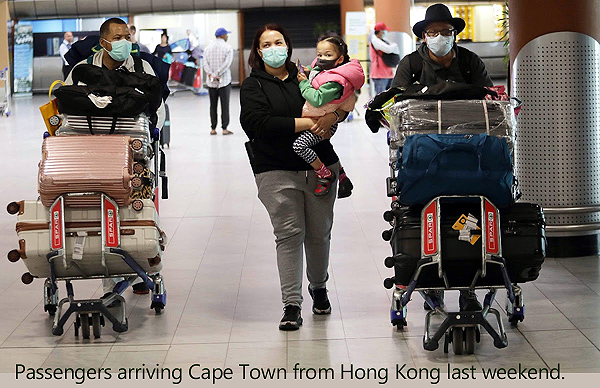 No coronavirus cases have been confirmed in sub-Saharan Africa, but they’re expected. The two main airlines from Africa to China, Ethiopian and Kenya Airways, have suspended many of their flights and Ethiopian is quarantining all incoming passengers from China.
What does this mean for upcoming safari travel?
 Dear Trumpers, Wildmen, Militias and you famous Deplorables. This blog’s for you.
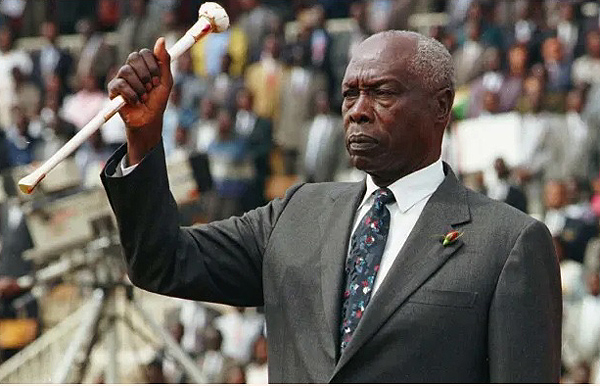
A couple days ago Kenya’s Daniel arap Moi died. I watched a lot of people like Moi in my 50 years in Africa. As an outsider I can tell you something about them. Just like as a nonTrumper I can tell you something about Trump. You might want to read this.
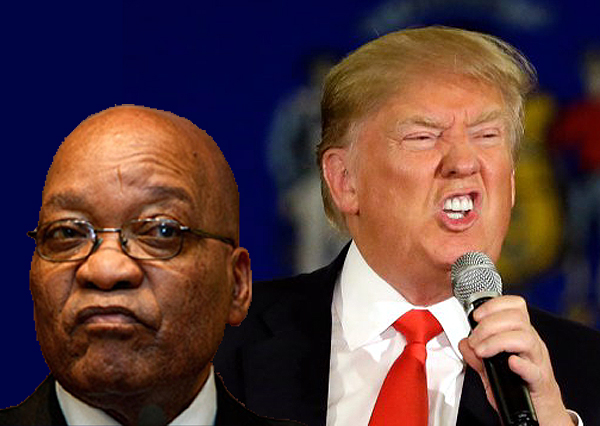 Jacob Zuma’s seven years as South Africa’s president was one scandal after another and constantly indecent. His nepotistic appointments led to random deregulation that has actually caused escalating power outages and food shortages. His potbelly of corruption despoils the word “emoluments” and now finally South Africans want to bring him to justice.
And they can’t find him.
 If you believe that there is too much immigration into the United States, then Friday’s announcement imposing additional immigration restraints on six countries including Nigeria and Tanzania looks reasonable.
But the reasons given by Homeland Security are not reasonable, they’re nonsense. The halfwits in the Trump administration are learning the ropes. They’re becoming just as politically agile as any of the reptile predecessors they promised to sweep away.
 About 30 years ago “ecotourism” began to be used by scholars around the same time as “climate change” and “globalization.” That may seem like a long time but in the lexicon of social movements it’s the flick of an eye.
“Climate change” and “globalization” are still substantive if explosive issues. “Ecotourism” has been all but discredited. What’s the difference?
The three issues – and certainly others – that consumed the mini-intellectual renaissance of the 1990s all shared a common theme, hardly new. All for one and one for all. Imagine harassing public attention in the decades just before that for any issue, except war, that encompassed more than just your neck of the woods.
But the 1990s were a prosperous time, world-wide. The youth especially knew that Kiev or Cusco were just as close to them as the person in the next booth. Prosperity relaxed suspicions. All for one and one for all.
“Ecotourism” best I can determine first emerged as an important selling point for travel in Holland, where recently it also saw its death (literally). The Dutch’s penchant for social compassion spread throughout Europe, and soon a real advantage to selling anything in the developing world was for it to be considered a part of the new “ecotourism” movement.
The idea was simple. Some kind of tourism activity would help sustain biodiversity and help preserve ethnic heritages and culture.
The most common example was the developing agriculture of the originally nomadic Maasai of East Africa, who in times past roamed large tracks of fecund land grazing their herds. But Maasai got educated. They built barns and fences and got deeds.
As the price of cattle increased, the expansive fragile prairies of the Serengeti were threatened, much less any hope for sustainable ranching. Overgrazing had been a problem for several decades before, but that was now aggravated by pesticides and hormones and the overuse of antibiotics.
So compassionate conservationists realized that if those modern ranchers were offered a less demanding alternative for the same income, the ecosystem could be preserved.
Build a tented camp and give the ranchers a percentage.
I was very closely involved with several of those and in 2004 got the company for which I was consulting in Tanzania named “Ecotourism Company of the Year” by Conde Nast.
Initially I believed whole-heartedly in the idea. All for one and one for all. I was always suspicious that even the best of seasons could provide sufficient revenue to our Maasai partners while covering our costs and making a bit of money, but the euphoria of the time stripped any brake on the idea:
So what if we lost a few dollars on one or two of our projects. There was absolutely no question that the exposure we got from the Conde Nast and other awards boosted our overall revenue.
That’s when a scholar at the African Studies Centre (ASC) at Leiden University first contacted me to help them mount a lengthy study on ecotourism. I couldn’t have been more honored. After all, this is where the idea began.
I began working with Marcel Rutten in 2008, actually before he officially announced the ongoing project. We worked together for years. He was a taskmaster of extraordinary dedication. Every claim I made, every anecdote I recounted had to be documented.
Four to five years later it was clear what was happening, and not just to the project but to all of us who were working with Marcel.
Ecotourism was not the panacea originally presumed. In fact, it was little more than a ruse. All of us felt first deflated, then defensive, and then really, really angry. We had been duped by our own ideas, ideas that we had so forcefully presented that the public was now wholly onboard. And now, we had to work to reverse all that.
Marcel died unexpectedly in 2018. Nobody wanted to replace him. The flipflop in the goals for the project was an embarrassment to the ASC. The whole project was simply dropped and swept under the rug.
Many of us have spent the last ten years trying to explain what happened. Let me try to give it to you in a sentence: No ecotourism project can create sufficient enough revenue to sustain a healthy business venture. Much better chance with cows eating up the ecosystem.
And the arrogance (click here) of assuming that a developing Maasai farmer will choose the former over the latter for haughty conservation reasons is appalling. We’re still talking about survival economies. If half of America won’t support reducing fossil fuels, it’s breathtakingly evil to promote travel because it considers itself “ecotourism.”
RIP Marcel, as difficult as that will be.