The pandemic’s effects on Africa’s wildlife is curious and surprising. Later this year I’ll be returning to the Serengeti and areas nearby to see for myself the reports I’ve compiled.
Last week I reported on how the lack of tourists seems to have altered big game behavior. So what has that meant and what will it mean in the near future to the people living in Africa?
Despite the relief felt by progressives in the U.S., Africa and elsewhere over the last half-year, the truth is that the world is more insecure than ever. Whether Hong Kong, Myanmar, Ethiopia or the U.S., worried polities are reacting in drastic, dangerous ways.
This happened before in the late 1960s and early 1970s. History should be our guide if we wish to avoid the wars, repressions and military dictatorships which followed that era.
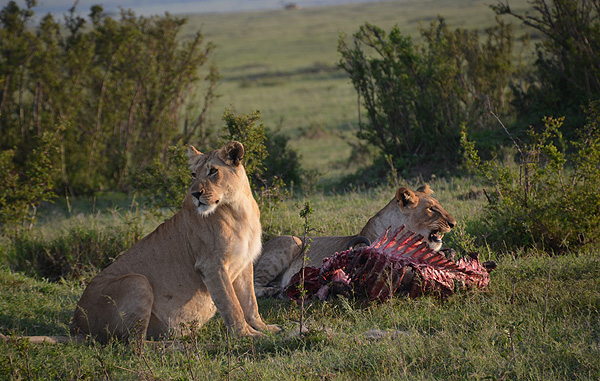
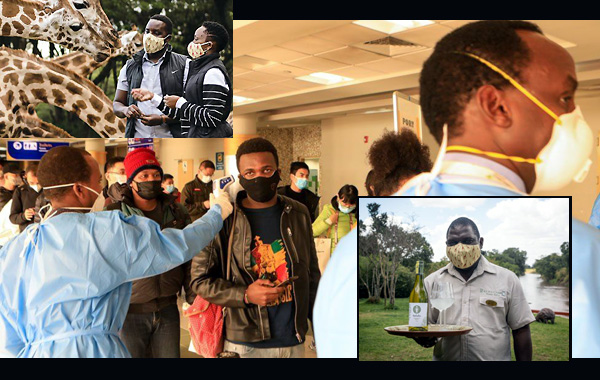
Covid is having a remarkable, somewhat complex effect on wildlife in sub-Saharan Africa. On the one hand the lack of tourists has given rise to a predicted surge in animal populations. On the other hand this has reduced poaching!
This is exactly the opposite of what was first reported and what a lot of sensational media tried to promulgate.
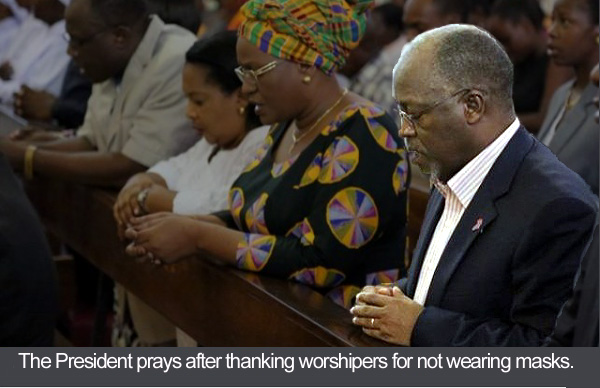
“Pneumonia is our code word.” Reports from Tanzania this weekend suggest the country is spiraling into a terrible covid situation, a “second spike” not yet seen in other parts of sub-Saharan Africa.
Because speaking about covid is against the law, doctors, activists and the patients themselves are referring to the situation as a “pneumonia epidemic.”
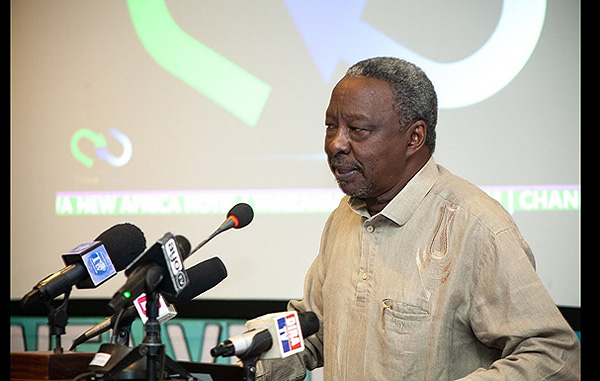
Truth is growing! Even in the covid-denial island known as Tanzania a courageous voice has sounded: “The chief medical officer and the rest of officialdom [in Tanzania] have been hiding Covid-19 related deaths, [but] now the funerals are exposing us.”
Jenerali Ulimwengu has been a thorn in the side of established Tanzanian governments for years. He survives the brutality and imprisonment of most other local critics because he hunkers down when he needs to, constantly extols as his guiding star the father and founder of the Tanzanian country Julius Nyerere, and … because he’s very popular on YouTube.
Is anybody but Trump, the Proud Boys and me following South African politics?
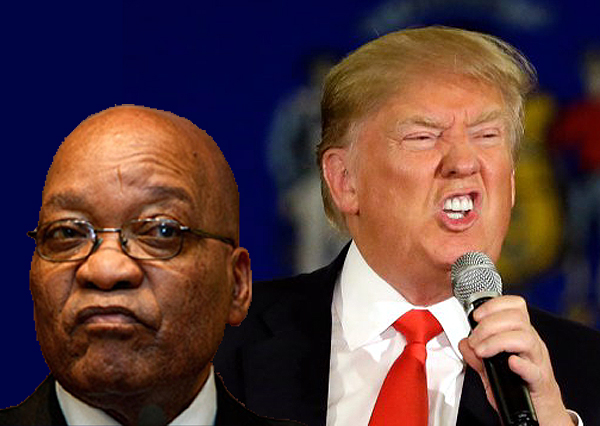
Reporting today from Pretoria, three years and one day since the former South African head-of-state left office: “Former president Jacob Zuma dodged his appearance on Monday before the State Capture inquiry, headed by Deputy Chief Justice Judge Raymond Zondo, and took refuge at his Nkandla homestead protected by the MK Military Veterans Association dressed in fake camo.”
Let me translate across the ocean into the future, January 21, 2024:
“Former president Donald Trump dodged his appearance on Monday before the January 6th Commission, headed by Former FBI Director Christopher Wray, and took refuge at his Mar A Lago homestead protected by the Proud Boys dressed in fake camo.”
“Katie bar the door,” Sen. John Tester told NPR this morning. It set the host back a half-minute. She didn’t understand what he meant. It terrified me. A flood of horrible memories just before Kenya’s civil war waved through me.
“Ruto n’mbungu!” my most senior driver, quiet James, retorted after I’d scolded all of them to just cool it, “nothing bad will happen” that December, 2007. The two expressions, one in English one in Swahili sound awfully similar to me. And I was wrong in 2007. Really wrong. Thank god James made me heed him.
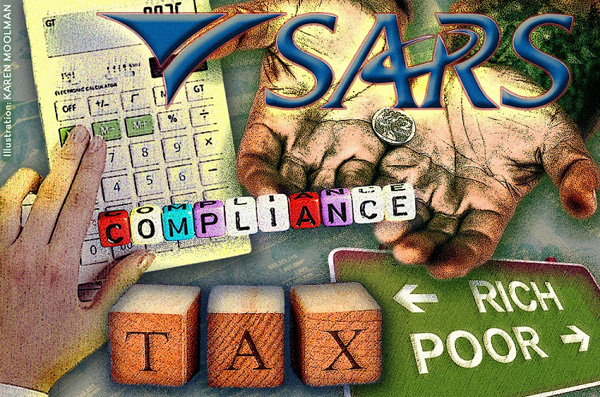
Only one country in all of Africa can join Elizabeth Warren’s debate about a wealth tax: South Africa.
And in earnest. In just the last few years America’s fiscal situation has grown surprisingly aligned with South Africa’s. Probably because of the pandemic, but certainly because of globalization. Since South Africa’s politics have presaged ours for the last decade, it’s worth looking at what’s going on there.
On January 25 President Biden issued a travel ban on the UK, Ireland, Brazil, most of Europe and South Africa. What does this mean?
For travelers with confirmed arrangements to any of these places this summer or later: nothing. You should disregard the notice, except that you should not make any additional arrangements – such as changes in your itinerary, airline reservations or extensions. For persons who were planning yet confirmed arrangements, you now need to wait.
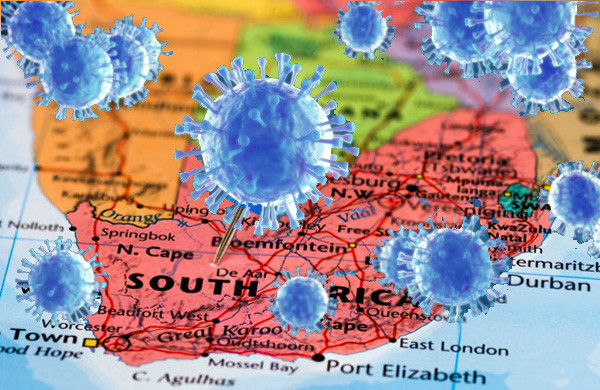
We are in the pandemic nadir: Yesterday the CDC listed 118 of the 197 countries in the world as virulent, out-of-control hotspots, and a handful including South Africa received the dreaded U.S. travel bans.
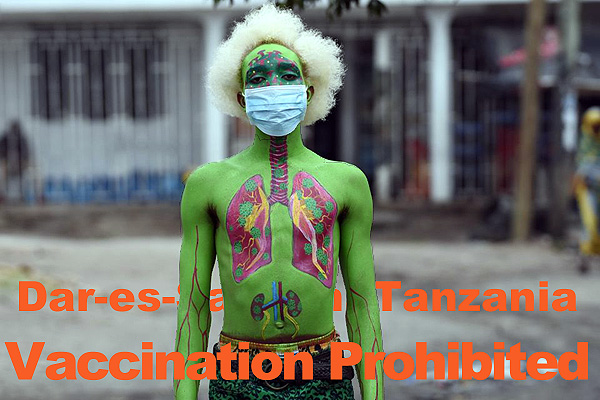
But of all the countries of the world there is only one that has an aggressive policy prohibiting any vaccination whatever: Tanzania.
This blog is for old people who want to travel to Africa or similar places. Since old people are often spunkier and certainly smarter than young people, young’uns wouldn’t be wasting any time reading it, too. Just get your macchiato or Glenfiddich, whichever relaxes you best, find a rocking chair or bean bag then take a deep breath. Some brain scratching required.
Why shouldn’t you buy a current RyanAir ticket for $11.85 between London and Shannon? Because you can use those funds to buy a cup of coffee and actually drink it.
Western travelers excited about returning to Africa and other far off places have a number of hurdles facing them. The most important one is how to get there. Current enticements by ridiculously discounted air tickets is not a solution.
I wanna stand up and shout through a megaphone! Listen, idiot Americans! South Africa shows us exactly what’s going to happen here now that Donald is gone!
But I’m torn, too, between just shutting up and letting the little birdie in my ear prove me remarkably prescient.
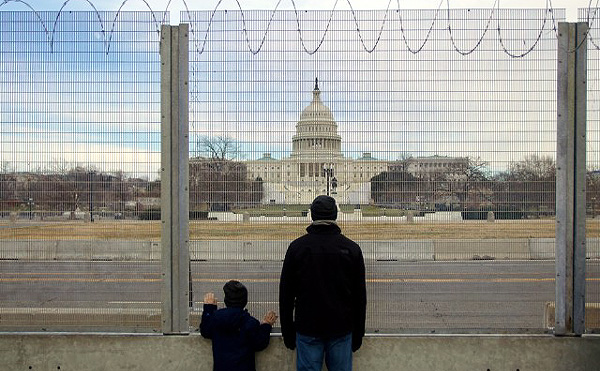
The January 6th insurgency was a wake-up call. It effected us in a variety of different ways but in all cases powerfully. For those of us who use social media a lot it was a gut-punch.
America’s unchanged, 230-year old 1st Amendment is the source of much misery. The Supreme Court’s Citizens United decision and Section 230 of the Communications Decency Act are two of the more obvious cancers it fostered. There’s little can be done with Citizen’s United until the country gets its act together and actually amends the constitution to stipulate clearly that business entities can’t be treated as breathing individuals.
But Section 230 is another matter. No other democracy allows such unfettered control of social media by its owners as Section 230.
The repeated gargantuan fines levied against companies like Facebook, Google and Twitter are evidence enough of Europe’s dislike of these companies. But short of China’s threat to close them down entirely less they abide by censorship rules (which they did), only America has the ability to actually control them. They are American companies, American creations.
And they are out of control.
The notion that 1st Amendment free speech cannot be out of control was long ago proved wrong: yelling “fire” in a closed theater is against the law. Hate speech laws remain in their infancy in America, rarely enforced. But both these evils, propagating knowingly false emergencies and hate, have now been superseded by something worse: disreality.
At its most generous disreality is lying, because lying often spreads innocently enough by persons of legitimate concern. But it’s more often intentional, and always when it starts. But whether intentional or not disreality has become the manifest core of social media like Facebook.
We all knew this was true, but Zignal Labs’ careful study that showed following Trump’s removal from social media disreality on all the platforms decreased by 73%, is all the evidence we need. It’s critical that at this particular moment as we try to make a sharp turn in our troubled society that we do everything conceivable that we can to assist the effort.
If there had not been Facebook and Twitter there would not have been an insurgency. There would not have been a lot of horrible things, and I’ll leave it to poets and rap stars to string them out palpably. In sum there would be three-quarters fewer lies and a lot less people living in horrid, dangerous fantasies, if there weren’t Facebook and Twitter.
If you have any doubt about this, or harbor some suspicion that the “good might outweigh the bad,” listen to the most recent podcast of OnTheMedia. Facebook and Twitter were the yet-to-be-known instruments of 1984.
Until America has the guts to regulate social media those of us who have used it for so long so successfully have to abandon it, now. It’s the most powerful act we have. Not doing so affirms the increasingly immoral and dangerous paths that led America into this unforgivable nightmare.
Facebook and Twitter have been exceptionally useful to AfricaAnswerMan and EWT, and I know that many of my colleagues and competitors will disparage my intentions by referring to my imminent retirement and old age. Can’t do anything about that: they’re both true. But I certainly couldn’t pursue either proudly if I didn’t do this, first.
See you at africaanswerman.com and ewtravel.com.
[For the many important links in this post see the original blog at africaanswerman.com.]
I was 15 years old, wasting the last bits of summer wandering with my dog alone in the forests behind my house and the prairies behind the forests, returning late for cold dinners.
“I have a dream,” Martin Luther King said as I wandered, on August 28, 1963, at the opening of the “March on Washington for Jobs and Freedom” in front of the Lincoln Memorial.