What can cut through the parallel universes that currently divide us? The spirit. This very African notion can save us.
Read moreWhat can cut through the parallel universes that currently divide us? The spirit. This very African notion can save us.
Read more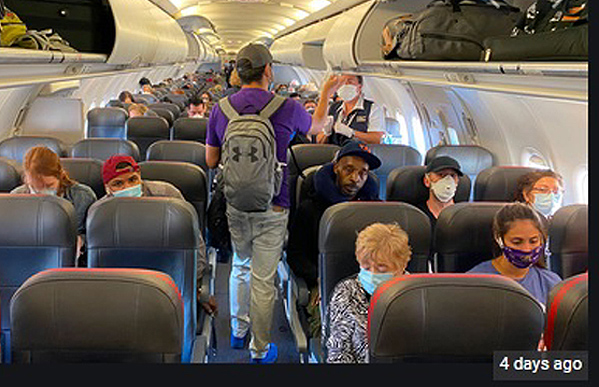
“But the greatest of the sins” is the sin of transmission. Ethnic cleansing is taking place at this moment, a novel genocide by a novel virus. The foot soldiers in this crime against humanity are we, the privileged, who have begun to travel too soon.
The unforgivable relaxation of our restrictions socially has led to large amounts of travel. This is heartbreaking. The virus will not be contained sufficiently if the privileged who know how and are capable of protecting themselves accelerate transmission to those less fortunate.
Read more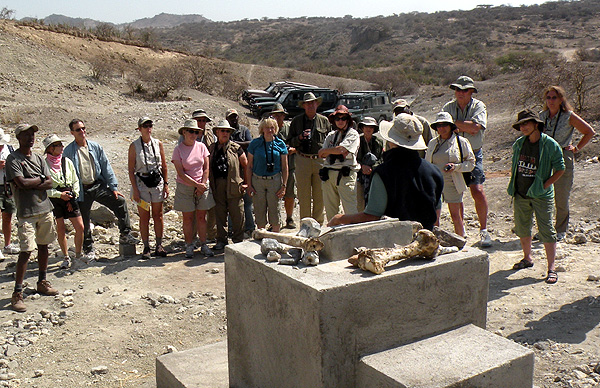
The enthusiasm bubble is bursting. Tomorrow most of East Africa will be open for business. But… no one’s coming.
My African colleagues shouldn’t be too disheartened. It was always too hopeful to believe that the only thing keeping people back was government restriction. Two things need to be clearly understood: the current reality of the pandemic and how profoundly it will change future travel.
Read more According to Kenya’s Star Newspaper, “Trump knows that if he loses the election he will spend the rest of his life in court, possibly even in jail. An October Surprise is practically guaranteed.”
The sentiment expressed this week in Nairobi is similar to what’s found throughout Africa. They hate Trump. They know his “bizarre behaviour – the endless, shameless lies, the narcissism, the suggestions that people should inject bleach, etc –“ is crazy and yet, there are still enough Americans who support him to make a reelection feasible.
 The tension between opening up and mitigating the virus is worldwide. From large German street protests against wearing masks (and other restrictions) to South African restaurateurs arguing that shutting restaurants kills more people than the virus, it is an organic, confusing debate.
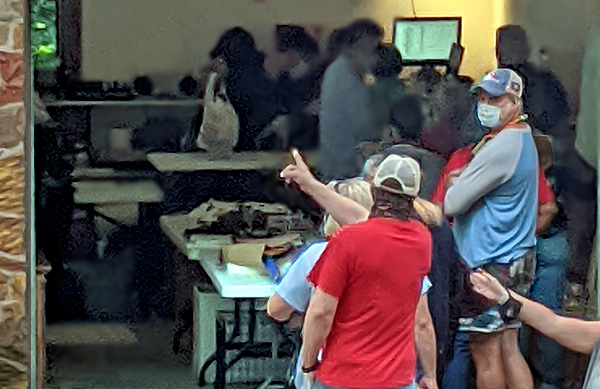
The debate reached the streets immediately outside where I live this morning. We had trouble walking the dog because so many cars were parked end-to-end with at least 30 people converging in a small garage for what in America we call a “garage sale.”
 An entire industry has now arisen to recover funds for travelers who have lost deposits because of the pandemic. Like timeshares, ambulance chasers, J.G. Wentworth and scores of others, the more well-off who are pissed as hell that some of their vacation money might be forfeited, are now themselves preyed on by dubious advocates.
To some of us it’s a delight to see capitalism eating itself to death.
 At the halfway mark we can predict better what it’s all going to look like when we’re vaccinated at the beginning of next year. I do this specially wondering what my own industry, distant travel, will look like. Frankly it shouldn’t be much different for anyone in any endeavor.
Americans are different – quite different – from other nationalities. We’ve been hit the worst and we’ve handled it the worst. There will be special hurdles for us that others will avoid.
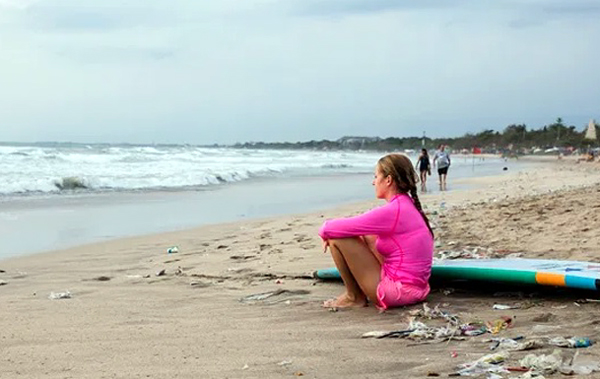 Forced into reflection by our virus winter, travelers are having second thoughts about what travel means to their lives.
A surprising transformation is occurring. Owning up to the fantasies of their trips and faced with a future economy that doesn’t look all that good cost is becoming more important than ever.
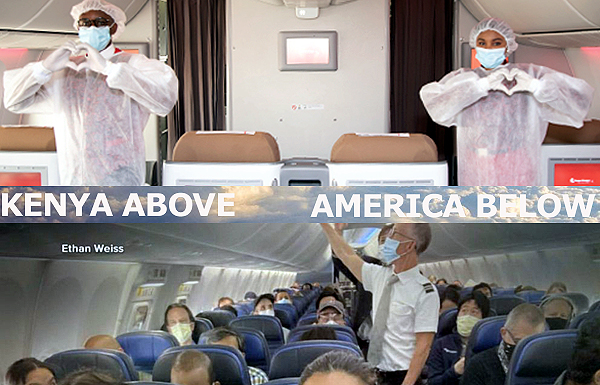 About a month back many sub-Saharan African tourist companies announced with great fanfare plans to restart. No one came to the party. The only tourism that exists today in sub-Saharan Africa is local, and even that’s pitifully little.
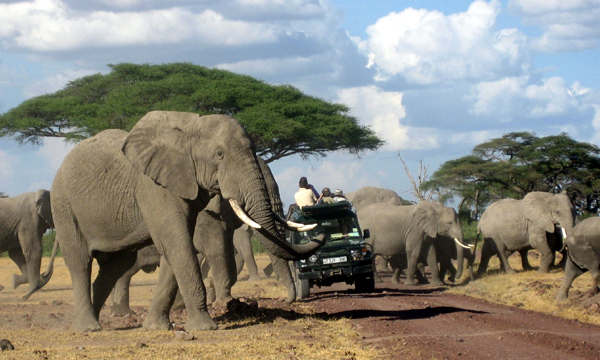 Could a virus like Covid-19 be killing Botswana’s elephants?
The Botswana government just received the first test results from a sampling of more than 350 mysterious elephant deaths. More mysterious, it refuses to release the results. The government argues they shouldn’t be made public until they’re confirmed by an independent lab in South Africa, which could take a week.
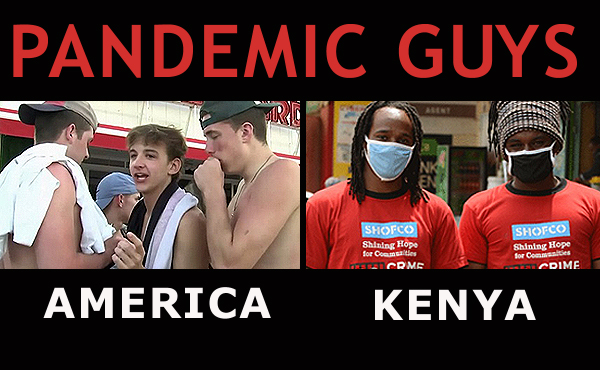 Kenya began reopening today, and Kenya had one of the strictest lockdowns in Africa if not the world. Kenya’s lockdown made New York’s lockdown look frivolous.
“You MUST become your brother’s keeper,” the Kenyan president declared in his order, today before listing all the mandates still required and warning that he would “claw back” everything should the virus reemerge.
“Civic responsibility is not a demand that can be enforced. It is a duty you pay to your fellow country-men for coexisting with them.”
 Americans need to take off the blinders that they will get the vaccine, first. This notion is dangerous and woven inextricably into the November election. “It’s risky [to Americans]… and not ethically right,” WHO’s chief scientist told a Nigerian newspaper, yesterday.
Pediatrician Paul Offit who wrote the book about the kids who got polio from a bad initial vaccine warned Americans in Science Magazine that Trump’s “October Surprise” could be the announcement of a vaccine that won’t work.
 Reopening is a contentious topic. Loosening the rules for dining out, for example, is an explosive issue as much in New York as Nairobi. Not just personal freedom and sanity, but for the large part of the economy on which dining is based.
But get real folks, not for vacation travel.
 Some tunnels of empathy lead to condescension. An event this week in South Africa triggered my epiphany that I’m among the guilty.
 This blog is about travel prospects to sub-Saharan Africa, but in preparing it my jaw dropped.
South Africa has a sixth the population of the United States but has tested a million of its people. Comparatively that’s two to three times better than the U.S.
The U.S. handling of the pandemic is a chaotic mess. South Africa and other countries know this, and it’s why the prospects for Americans traveling to Africa is getting worse and worse.